Book a 30-minute assessment
A short call to review one workflow and decide whether a focused automation or software improvement is a practical fit.
Book an assessmentAutomation, integrations, and lightweight software
BinaryWeb helps small and growing teams connect their tools, automate manual processes, and build lightweight internal solutions—without the cost or complexity of a large software project.
A focused, no-obligation conversation about one process you want to improve.
Demonstration
New lead received
Details validated
Existing system updated
Owner notified
* Each application is evaluated on a case-by-case basis.
Senior-led delivery backed by 20+ years in software engineering and extensive experience with automation, integrations, internal platforms, and high-volume business processes.

Move information between forms, spreadsheets, inboxes, and business systems with fewer manual steps.
Connect platforms through APIs, webhooks, scheduled jobs, or reliable import and export workflows.

Collect, validate, and deliver operational information automatically.
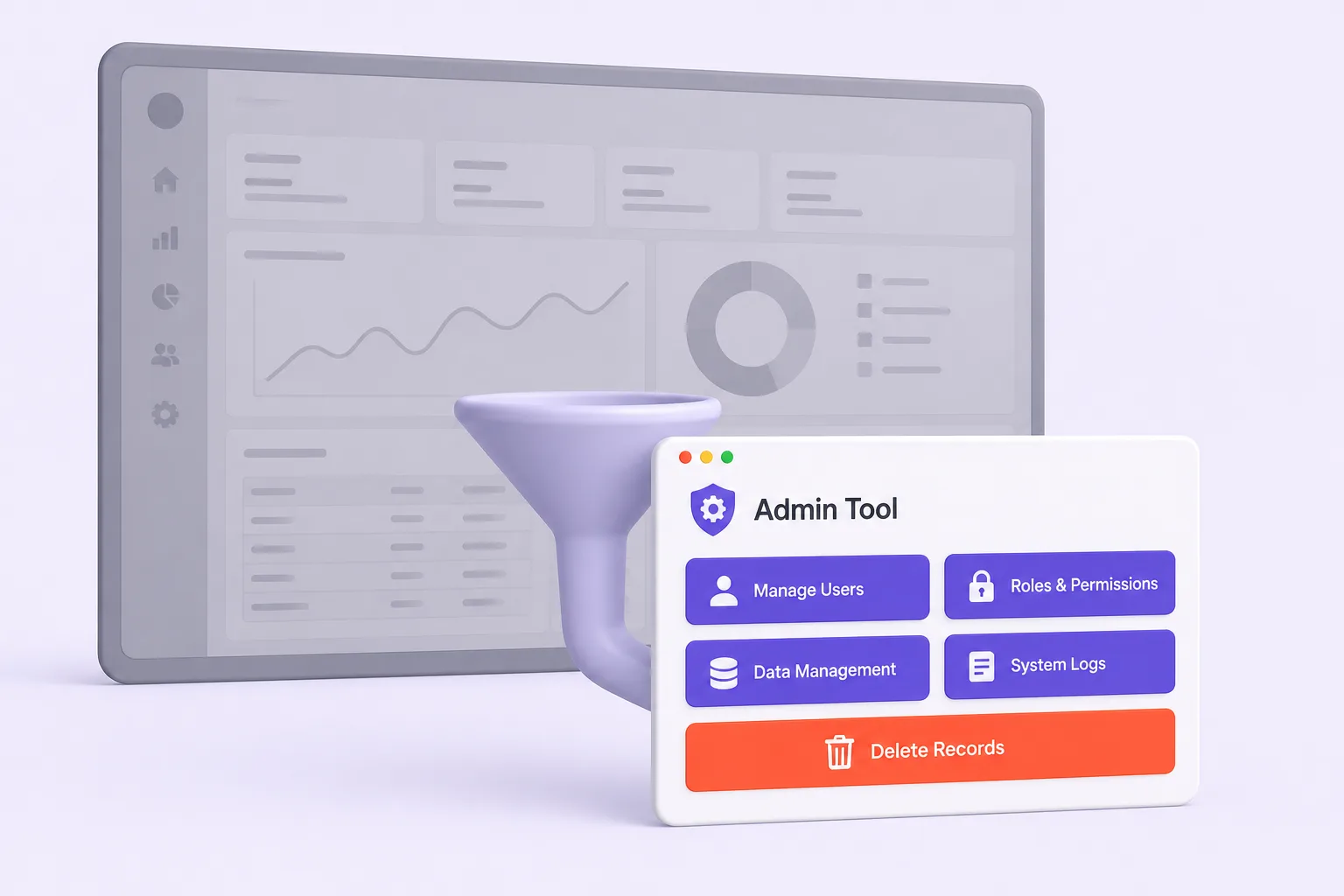
Build the internal screen, workflow, integration, or feature your team needs without starting a large transformation programme.
Investigate and improve one clearly scoped repetitive process with a working first automation, prototype, or implementation plan.
Explore the Automation Sprint
Connect the tools your team already uses and reduce copy-and-paste work, delays, and inconsistent data.
Discuss an integration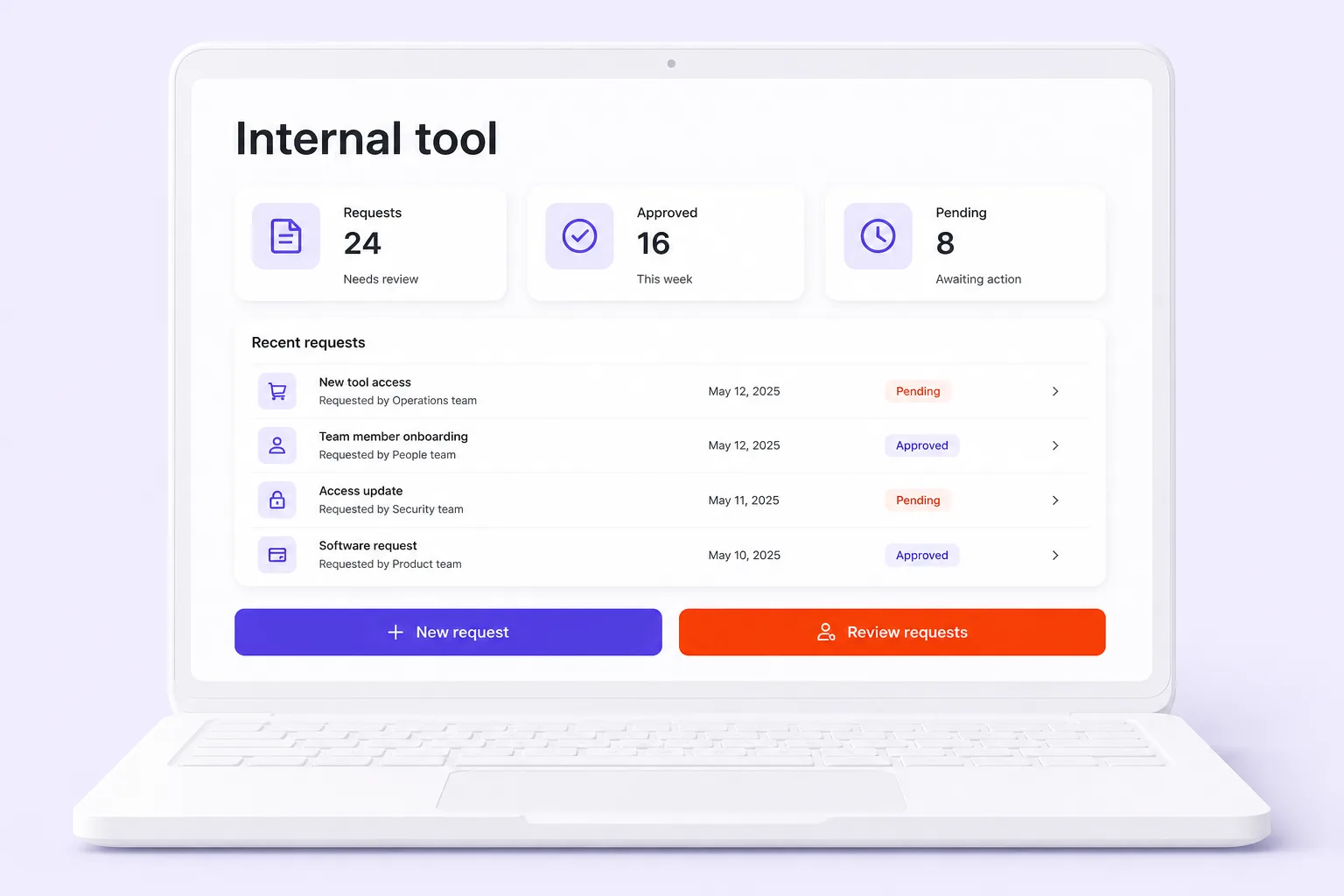
Build lightweight dashboards, workflow applications, admin tools, fixes, and targeted features for day-to-day operations.
Discuss a software taskStart with one clearly defined process. Within 48 hours of the agreed project start, we will investigate the workflow and deliver a working initial automation, a functional prototype, or a practical implementation plan—depending on the approved scope. The expected deliverable, required access, limitations, and acceptance criteria are agreed before the sprint begins.
New lead received → details validated → existing system updated → owner notified.
Invoice received by email → data extracted → exception queued for review.
Spreadsheet updated → report generated → stakeholders notified on schedule.
Customer request received → request classified → responsible team assigned.
Web form submitted → documents organised → follow-up task created.
Every workflow is assessed individually. Feasibility depends on the systems involved, available access, data quality, security requirements, and scope. * Each application is evaluated on a case-by-case basis.
Show us the manual task, the tools involved, and the result you need.
We agree on the deliverable, access, constraints, timeline, acceptance criteria, and price.
The solution is implemented incrementally and tested against the agreed workflow.
You receive documentation, a clear handover, and an agreed support path.
Solution example — demonstration project, not client work.

Elias Rodrigues
BinaryWeb is led by Elias Rodrigues, a software engineering and automation professional with more than 20 years of experience building, improving, and supporting business systems. Clients work directly with the person responsible for understanding the problem and guiding delivery.
Experience includes software architecture, workflow automation, integrations, internal platforms, and high-volume operational environments.
Clearly defined automations, integrations, internal tools, software improvements, and small operational bottlenecks that can be assessed and delivered incrementally.
Usually not. The first option is to improve the workflow around the systems your team already uses, provided they offer suitable access or integration options.
The 48-Hour Automation Sprint is intentionally limited in scope. Depending on the agreed problem, the deliverable may be a working initial automation, a functional prototype, or a technical implementation plan. The exact outcome is agreed before work begins.
Every engagement starts with a written scope covering deliverables, dependencies, exclusions, acceptance criteria, timeline, and price. Any additional work is discussed before implementation.
Yes. BinaryWeb supports remote international collaboration in English and Portuguese. Meeting times and communication expectations are agreed at the start.
We request only the access needed for the agreed work, prefer test or limited-permission environments where possible, and document the handling and removal of credentials and project data. Specific security requirements are agreed for each engagement.
You will receive a confirmation and a response within one business day. If the request appears suitable, the next step is a short assessment call to understand the process and define a practical next action.
Bring one process, integration, or small software bottleneck. We will help you determine the most practical next step.
In 30 minutes, we will review one workflow, identify the main bottleneck, and determine whether a focused automation or software improvement is a practical fit. This is an initial assessment, not unlimited free consulting.
A short call to review one workflow and decide whether a focused automation or software improvement is a practical fit.
Book an assessmentPrefer to write? Describe the manual workflow, the tools involved, and the result you need. We reply within one business day.
Open the enquiry form